
In the realm of industrial sealing solutions, two elastomeric materials frequently employed are Nitrile Butadiene Rubber (NBR) and Ethylene Propylene Diene Monomer (EPDM). While both NBR and EPDM exhibit excellent sealing properties, they possess distinct characteristics that make them suitable for different applications.
What Is NBR
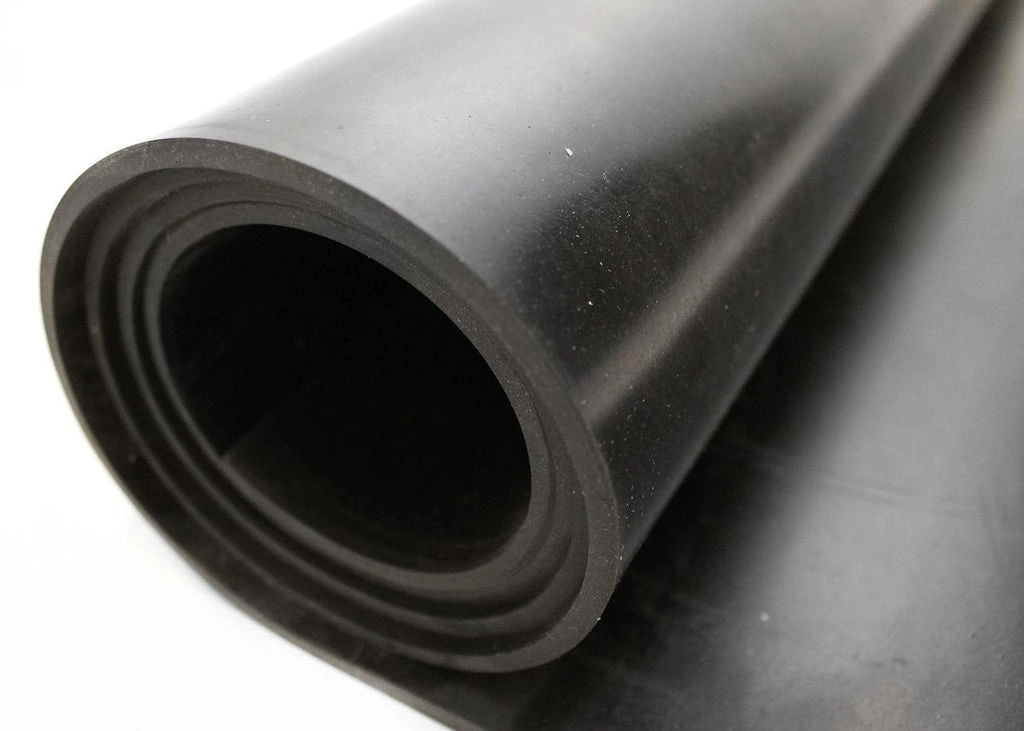
Nitrile Butadiene Rubber (NBR), also known as Buna-N or Nitrile rubber, is a synthetic rubber known for its excellent resistance to oils, fuels, and other chemicals.
What Is EPDM
Ethylene Propylene Diene Monomer (EPDM) is a synthetic rubber known for its outstanding resistance to heat, ozone, weathering, and aging.
Key Difference Between NBR and EPDM
Material Composition
NBR is a copolymer of acrylonitrile and butadiene, with the acrylonitrile content typically ranging from 18% to 50%. The higher the acrylonitrile content, the better the oil and fuel resistance of the rubber.
EPDM is a terpolymer composed of ethylene, propylene, and a diene monomer. The diene component allows for cross-linking, which enhances the rubber’s properties.
Temperature Range
NBR has a modest temperature range, typically from -40°C to +120°C, making it suitable for general-purpose applications.
EPDM boasts a wide temperature range, from -50°C to +150°C, allowing it to maintain its properties in both low and high-temperature environments.
Oil Resistance
NBR exhibits excellent resistance to oils, particularly petroleum-based fuels and mineral oils. This property makes it an ideal choice for applications in the automotive industry, such as fuel systems, seals, and gaskets.
EPDM, in comparison, has poor resistance to oils and hydrocarbons, which limits its use in oil-rich environments.
Weather Resistance
EPDM rubber outperforms NBR in terms of weather resistance. It offers exceptional resistance to ozone, UV radiation, and other environmental factors, making it the preferred choice for outdoor applications.
EPDM maintains its flexibility and durability even when exposed to harsh weather conditions, while NBR may degrade over time.
Chemical Resistance
Both NBR and EPDM offer chemical resistance, but their effectiveness varies depending on the type of chemicals involved. NBR provides excellent resistance to aliphatic hydrocarbons, acids, and bases, but has poor resistance to chlorinated and aromatic hydrocarbons.
EPDM, on the other hand, offers outstanding resistance to a wide range of chemicals, including acids, bases, and ketones, but has poor steam resistance.
Flexibility
EPDM rubber exhibits excellent flexibility, even at low temperatures, due to its low glass transition temperature. This property allows EPDM to maintain its elasticity and return to its original shape after deformation.
NBR, while still flexible, may become stiffer at lower temperatures compared to EPDM.
Hardness
NBR typically has a hardness range of 20 to 95 Shore A, while EPDM ranges from 30 to 90 Shore A.
Electric Insulation
EPDM rubber offers superior electric insulation properties compared to NBR. It has a high dielectric strength and low dielectric constant, making it suitable for electrical insulation applications.
NBR, while still an insulator, has lower resistivity and may not be the optimal choice for electrical components.
Ready to enhance your Rubber Sheet? Contact us today at gasket@weitengroup.com or visit our website www.weitengroup.com to explore our range of Rubber Sheet.
MOBILE / WHATSAPP86-18561739639
ADDRESSNo.27, Baoyuan Rd, Gaoxin District, Qingdao,China.
 WEITEN GROUP
Copyright © 2026 by WEITEN GROUP All Rights Reserved Designed by HUISHANG MEDIA