
A valve is a control component in a fluid transport system, possessing functions such as shut-off, regulation, flow diversion, backflow prevention, pressure stabilization, flow splitting, or pressure relief.
Valves can be broadly classified into two categories:
Category 1: Automatic valves: Valves that operate automatically based on the inherent capacity of the medium (liquid or gas). Examples include check valves, safety valves, regulating valves, steam traps, and pressure reducing valves.
Category 2: Actuated valves: Valves operated manually, electrically, hydraulically, or pneumatically. Examples include gate valves, globe valves, throttle valves, butterfly valves, ball valves, and plug valves.
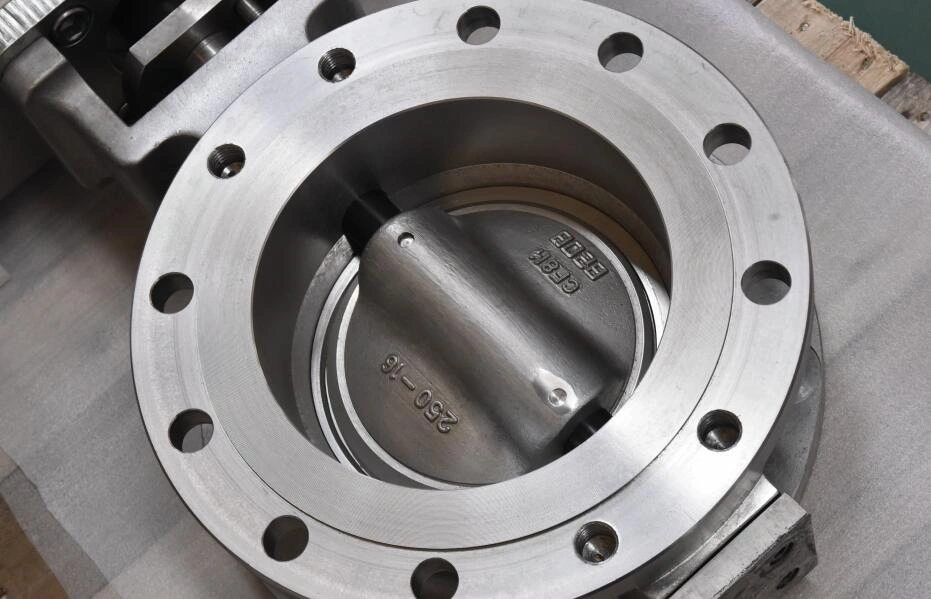
Valves can also be classified by structure as follows:
Plug valves, gate valves, globe valves, and ball valves—used to open or close the flow of media in pipelines.
Check valves (including foot valves)—used to automatically prevent backflow of media in pipelines.
Throttle valves—used to regulate the flow rate of media in pipelines.
Butterfly valves—used to open or close the flow of media in pipelines. They can also be used for regulation.
Safety valves—used in boilers, containers, and pipelines, automatically release excess pressure when the medium pressure exceeds a specified value, ensuring safe production operations.
Pressure reducing valves—used to automatically reduce the pressure of media in pipelines and equipment. They work by creating resistance as the medium passes through the valve disc, causing pressure loss and achieving pressure reduction. Steam traps—used in steam pipelines to automatically drain condensate, preventing steam loss or leakage.
Valves are classified by application:
1. On/off valves: used to connect or disconnect pipeline media, such as gate valves, globe valves, ball valves, butterfly valves, etc.
2. Check valves: used to prevent backflow of media, such as check valves.
3. Regulating valves: used to regulate the pressure and flow rate of media, such as regulating valves and pressure reducing valves.
4. Distributing valves: used to change the direction of media flow and distribute media, such as three-way stopcocks, distribution valves, slide valves, etc.
5. Safety valve: Used to discharge excess medium when the medium pressure exceeds the specified value, ensuring the safety of pipeline systems and equipment. Examples include safety valves and emergency valves.
6. Other special applications: Such as steam traps, vent valves, and drain valves.
Valves are classified by actuation method:
1. Manual: Driven by handwheels, handles, levers, or sprockets, etc. For larger torque transmissions, worm gears or other reduction gears are used.
2. Electric: Driven by an electric motor or other electrical devices.
3. Hydraulic: Driven by water or oil.
4. Pneumatic: Driven by compressed air.
Valves are classified by nominal pressure:
1. Vacuum valve: Valves with an absolute pressure <0.1 MPa, i.e., 760 mmHg high. Pressure is usually expressed in mmHg or mmHg.
2. Low-pressure valves: Valves with a nominal pressure PN ≤ 1.6 MPa (including steel valves with PN ≤ 1.6 MPa).
3. Medium-pressure valves: Valves with a nominal pressure PN 2.5–6.4 MPa.
4. High-pressure valves: Valves with a nominal pressure PN 10.0–80.0 MPa.
5. Ultra-high-pressure valves: Valves with a nominal pressure PN ≥ 100.0 MPa.
If you would like to find out more about valves or purchase other products, please contact us at sales@weitengroup.com, wwww.weitengroup.com.
MOBILE / WHATSAPP86-18561739639
ADDRESSNo.27, Baoyuan Rd, Gaoxin District, Qingdao,China.
 WEITEN GROUP
Copyright © 2026 by WEITEN GROUP All Rights Reserved Designed by HUISHANG MEDIA