
The debate surrounding low-pressure and high-pressure valves has been a hot topic in the valve industry. Their main difference lies in the pressure they can withstand.
Low-pressure valves are designed to withstand pressures below 300 PSI and are used in water pipelines and irrigation systems.
High-pressure valves can withstand pressures up to 300 PSI, even 1000 PSI, or higher. They are widely used in hydraulic machinery, power plants, and high-pressure steam pipelines.
Low-pressure valves are affected by the materials used, their size, and various safety features.
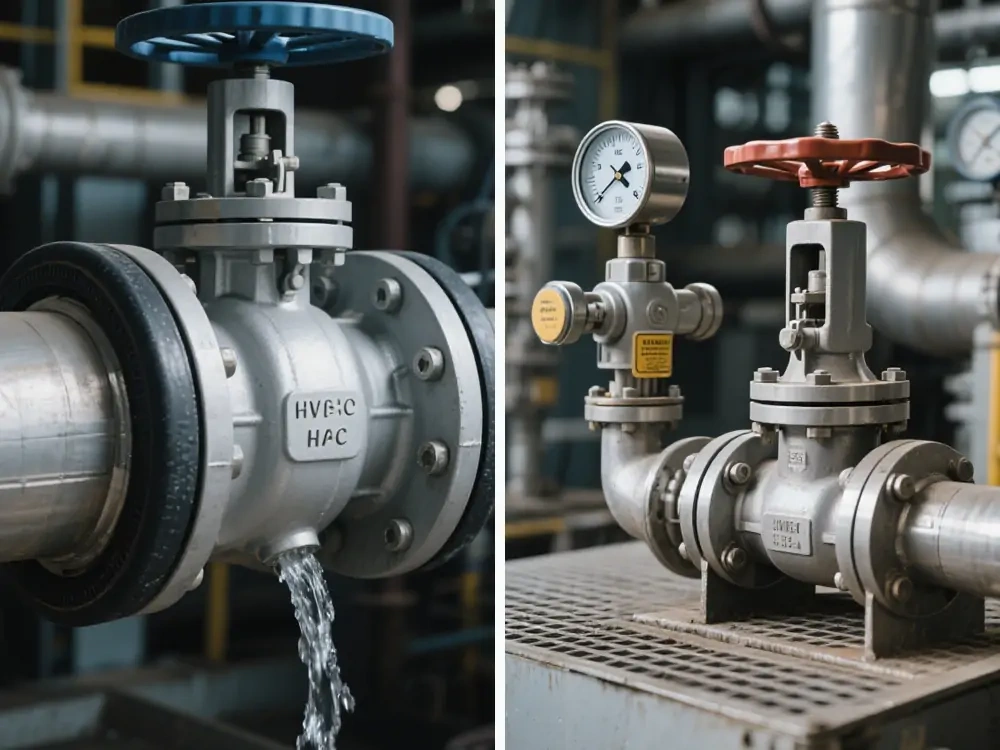
1- Pressure Handling Capacity
The main difference between low-pressure and high-pressure valves is the pressure they can withstand. Low-pressure valves typically operate at pressures below a few hundred PSI. High-pressure valves can withstand pressures of several thousand pounds per square inch.
2- Material Strength and Durability
The materials used have a significant impact on how low-pressure and high-pressure valves operate. Low-pressure valves are typically made of lighter materials such as PVC, brass, or low-carbon steel. High-pressure valves use robust metals such as stainless steel or treated alloys.
3- Wall Thickness and Seal Type
Low-pressure valves have thinner, smoother walls without material reinforcement. They are made of lighter materials such as rubber or silicone. High-pressure valves have thicker walls. They are made of polytetrafluoroethylene (PTFE) or even reinforced composite materials.
4- Application Areas
Low-pressure valves are suitable for systems requiring minimal force to convey liquids or gases, such as domestic plumbing and low-pressure steam systems. High-pressure valves are used in industries requiring strength and precision under high pressure.
5- Cost and Maintenance
Low-pressure valves generally have lower purchase and maintenance costs. High-pressure valves are more expensive because they are made of more robust materials and have advanced designs.
6- Flow Control
Low-pressure valves provide smoother, more gradual flow control, which is very useful in areas such as irrigation or laboratory equipment. High-pressure valves are designed to quickly start or stop fluid flow under extreme pressure.
7. Safety Features
Safety is a fundamental difference between low-pressure and high-pressure valves. Low-pressure valves use simple seals and latches to prevent leaks and overflows. High-pressure valves require more robust safety features, such as additional sealing and pressure relief systems.
8. Installation Requirements
Low-pressure valves are generally easier to install, typically requiring only basic tools and standard fittings. High-pressure valves require careful installation to ensure proper alignment and tightening.
Frequently Asked Questions (FAQ)
What is the difference between high-pressure and low-pressure valves?
High-pressure valves are durable and rated for higher pressures. Low-pressure valves, on the other hand, can only withstand pressures below 300 PSI. Furthermore, their durability and overall service life are also affected.
Conclusion: Which should you choose?
There is no one-size-fits-all solution between high and low pressure. Low-pressure valves can be used for everyday applications such as water supply or irrigation. They are cheaper and can easily withstand low pressures. However, high-end applications require high-pressure valves. These valves can withstand high pressures without leaks or damage.
Remember that these valves have different applications. In the oil and gas industry, high-pressure valves are essential. The reason is that the gas exerts greater pressure on the valve. Low-pressure systems are only suitable for applications where the fluid or gas pressure is low (below 300 PSI).
MOBILE / WHATSAPP86-18561739639
ADDRESSNo.27, Baoyuan Rd, Gaoxin District, Qingdao,China.
 WEITEN GROUP
Copyright © 2026 by WEITEN GROUP All Rights Reserved Designed by HUISHANG MEDIA